Knoxville & East Tennessee
Slab Leak & Hidden Leak Detection
A warm patch on the floor or a meter that never stops spinning usually means a line is leaking under the slab. We locate it before opening anything, then repair or reroute it.
What is involved
A slab leak occurs when a water pipe beneath your home's concrete foundation develops a break or crack. These leaks are often difficult to detect because the water may not immediately surface. Over time, water can erode the soil supporting the slab, leading to foundation shifts or cracks. Early detection and repair are crucial to protect your home's structural integrity and prevent extensive water waste.
Hidden leaks can also occur within walls, ceilings, or under flooring in homes with crawl spaces or basements. These leaks might stem from supply lines, drain pipes, or fixtures. The slow, steady drip can lead to mold growth, wood rot, and damage to drywall or flooring. Identifying and addressing these hidden issues quickly helps maintain a healthy living environment and avoids costly repairs later.
Around Knoxville
Homes across Knoxville and East Tennessee face particular challenges with slab and hidden leaks. The region's limestone karst geology and shifting red clay soil can stress foundations and buried pipes over time. Many homes in areas like Hardin Valley and Farragut are built on slabs, where leaks can manifest as warm spots or an unexpected jump in KUB water bills. Older properties in Fountain City or North Knoxville often have crawl spaces with aging galvanized or cast iron pipes susceptible to leaks.
Choices
Repair and replacement options
Spot Repair
This method involves opening a small section of the slab or wall directly above the leak to access and repair the damaged pipe. It is suitable when the leak is isolated and the pipe section is easily accessible for a direct fix.
Rerouting
For extensive damage or multiple leaks in a specific line, rerouting involves bypassing the old, damaged pipe section and installing a new line through an alternative path, often through walls or the attic, to avoid further slab disruption.
Pipe Bursting
A trenchless method where a new pipe is pulled through the old one, breaking the old pipe apart as it goes. This is less common for slab leaks but can be an option for long runs of damaged pipe under the ground outside the foundation.
Epoxy Pipe Lining
This involves inserting a resin-soaked liner into the existing pipe, which then cures to form a new, jointless pipe within the old one. It can seal small cracks and pinholes without extensive excavation, suitable for certain pipe materials.
Step by step
Step by step
- 1
Initial Assessment
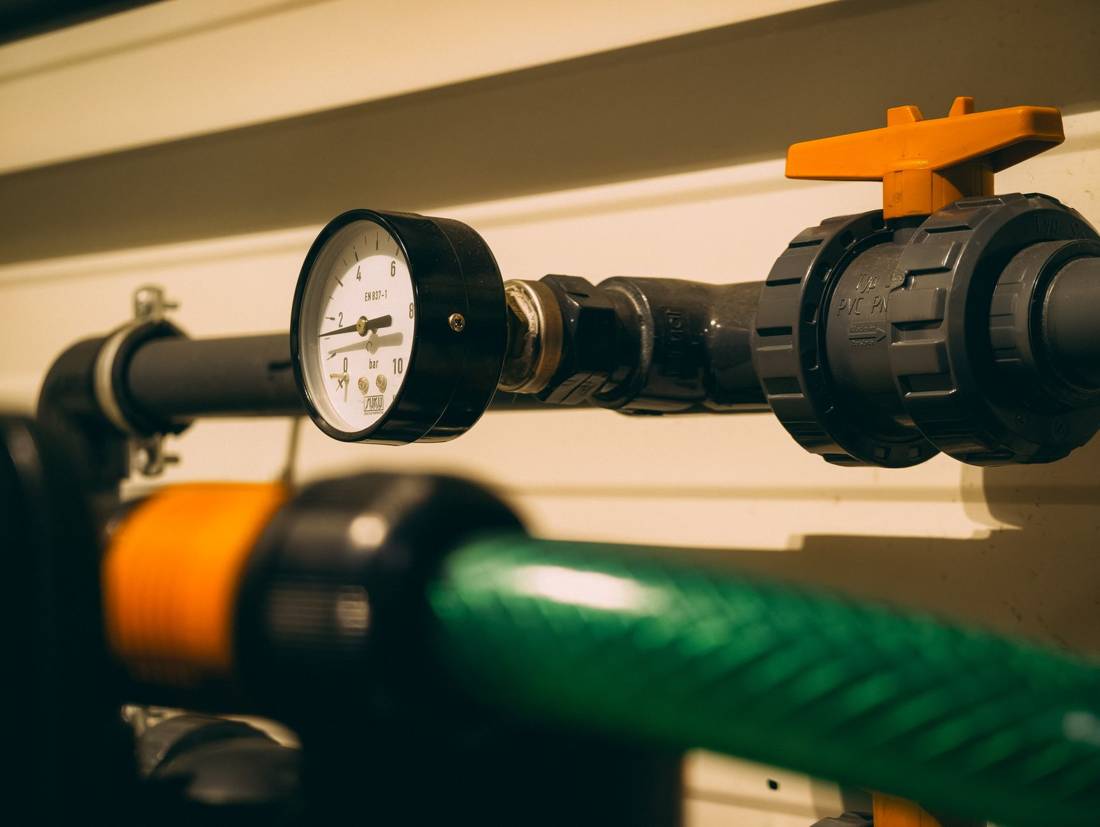
Our technicians begin by discussing your observations and conducting a visual inspection. We check water meters and pressure gauges for signs of continuous flow or pressure drops, indicating a leak.
- 2
Advanced Detection Tools
We use specialized equipment such as acoustic listening devices, thermal imaging cameras, and moisture meters. These tools help pinpoint the exact location of hidden leaks without unnecessary demolition.
- 3
Pinpointing Leak Location
Once a leak is suspected, our technology helps us narrow down its location to a specific area. This precision minimizes the disruption to your home and focuses the repair efforts efficiently.
- 4
Repair Recommendation
After locating the leak, we provide a clear explanation of the issue and recommend the most effective repair strategy. We ensure you understand the options before any work begins.
Questions
Common questions about slab leak & hidden leak detection
How can I tell if I have a slab leak versus a regular plumbing leak?
Slab leaks often cause warm spots on your floor, a sudden increase in your water bill without explanation, or the sound of water running when no fixtures are in use. Regular leaks might be more visible, such as a dripping faucet or a wet spot under a sink. Our detection methods can differentiate between these issues.
Will a slab leak damage my home's foundation?
Yes, if left unaddressed, water from a slab leak can erode the soil supporting your home's foundation. This erosion can lead to uneven settling, which may cause cracks in your slab, walls, and even affect door and window alignments. Timely repair is important to prevent structural problems.
How long does it take to find a hidden leak?
The time required to locate a hidden leak varies depending on its complexity and location. Using advanced acoustic and thermal imaging equipment, our technicians can often pinpoint the source within a few hours. More difficult cases might require additional investigation, but we aim for efficiency.
Do I need to leave my home during the detection process?
Typically, you do not need to leave your home during the leak detection process. Our methods are non-invasive and cause minimal disruption to your daily routine. If a repair requires access to a specific area that might be temporarily inconvenient, we will discuss this with you beforehand.
Other plumbing services
- Water Heater Repair & Replacement
- Tankless Water Heater Installation
- Faucet & Sink Repair
- Garbage Disposal Repair & Installation
- Sump Pumps & Crawl Space Water
- Gas Line Installation & Repair
- Well Pumps & Water Treatment
- Emergency Plumbing & Burst Pipes
- Drain Cleaning & Hydro Jetting
- Sewer Camera Inspection & Trenchless Repair
- Water Line Repair & Replacement
Got a plumbing problem that will not wait?
Tell us what is leaking, dripping or backing up. We will explain what we find and the options for fixing it.