Knoxville & East Tennessee
Tankless Water Heater Installation
A tankless unit heats water as you use it and frees up the space a tank took. We size it to your household and run the gas, venting and water lines it needs.
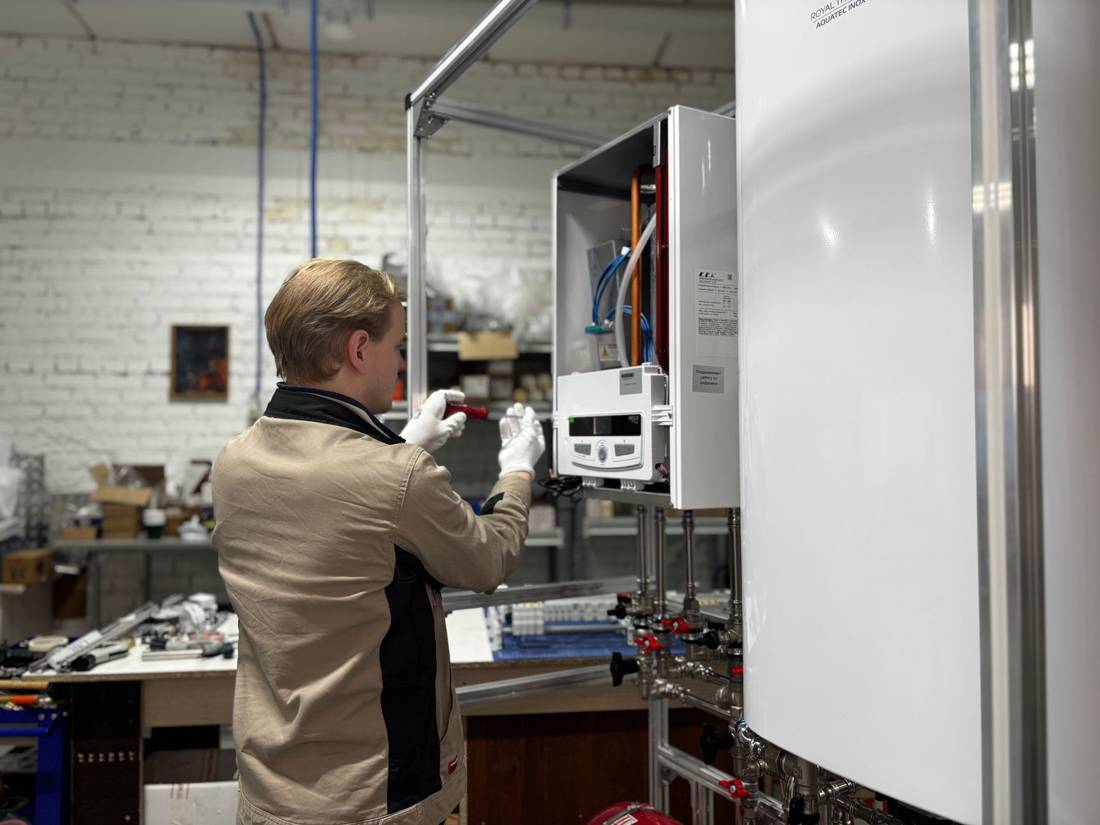
What is involved
Tankless water heaters provide hot water only when you need it, eliminating the standby energy losses associated with traditional tank units. This can lead to lower utility bills and a continuous supply of hot water, even during peak usage times. These compact units also save valuable space in your utility closet or garage, offering more flexibility for storage or other uses.
Installing a tankless water heater requires specific plumbing and gas line modifications to ensure proper operation and safety. Our technicians are skilled in these complex installations, handling everything from sizing the unit to fitting it into your existing plumbing system. We ensure all connections are secure and the unit functions efficiently from day one.
Around Knoxville
Homes in Knoxville and East Tennessee face varying conditions. Older homes in Fountain City or North Knoxville with aging pipe may benefit from the consistent flow of a tankless system. Newer homes in areas like Hardin Valley often have slab foundations, where a leak from a traditional tank could go unnoticed for longer. The compact size of a tankless unit can also be an advantage in smaller utility spaces common in many area homes. Winter cold snaps, such as those that can affect crawl spaces, make reliable hot water essential.
Choices
Repair and replacement options
Gas Tankless Heaters
These units connect to your natural gas line and offer powerful heating for larger homes or families with high hot water demand. They require proper venting to expel combustion byproducts safely outside.
Electric Tankless Heaters
Electric models are suitable for homes without natural gas or for point-of-use applications. They typically require a dedicated high-amperage electrical circuit, which may involve an electrical panel upgrade.
Condensing vs. Non-Condensing
Condensing units recover more heat from exhaust gases, making them more energy-efficient but often larger and more expensive. Non-condensing units are simpler and less costly to install.
Whole-Home Systems
Designed to meet all hot water needs for an entire household, these units are sized based on the number of fixtures and peak usage. Proper sizing prevents hot water shortages during busy times.
Step by step
Step by step
- 1
Initial Consultation
We assess your home's hot water demands, existing plumbing, and gas or electrical connections. This helps us recommend the right tankless unit size and type for your household.
- 2
Permit Acquisition
Plumbing work often requires a permit from the city or county codes office. We help navigate this process to ensure your installation complies with all local regulations.
- 3
System Installation
Our technicians carefully remove your old water heater and install the new tankless unit. This includes making necessary plumbing, gas, and venting connections, ensuring safety.
- 4
Testing and Setup
After installation, we thoroughly test the unit to confirm it is operating correctly and efficiently. We also explain its features and basic maintenance requirements to you.
Questions
Common questions about tankless water heater installation
How long does a tankless water heater installation take?
The installation timeline varies depending on whether you are replacing an existing tankless unit or upgrading from a traditional tank. Factors like existing plumbing modifications, gas line work, and venting requirements can influence the total time. Most installations are completed within one day, but more complex projects may extend to two days.
Will a tankless water heater save me money?
Tankless water heaters heat water on demand, meaning they do not store and continuously heat a tank of water. This eliminates standby energy losses, which can lead to reduced energy consumption and lower utility bills over time. Actual savings depend on your household's hot water usage patterns and energy rates.
Do tankless water heaters require maintenance?
Yes, tankless water heaters benefit from periodic maintenance, typically flushing the unit annually to remove mineral buildup. This is especially important in areas with hard water, which can accumulate scale and reduce efficiency. Regular maintenance helps extend the lifespan of the unit and ensures it operates effectively.
Can I install a tankless water heater myself?
Tankless water heater installation involves complex plumbing, gas, and electrical connections. Improper installation can lead to safety hazards, inefficient operation, and potential water damage. For these reasons, professional installation is strongly recommended to ensure the unit is installed correctly and safely, meeting all local codes.
Other plumbing services
- Water Heater Repair & Replacement
- Slab Leak & Hidden Leak Detection
- Faucet & Sink Repair
- Garbage Disposal Repair & Installation
- Sump Pumps & Crawl Space Water
- Gas Line Installation & Repair
- Well Pumps & Water Treatment
- Emergency Plumbing & Burst Pipes
- Drain Cleaning & Hydro Jetting
- Sewer Camera Inspection & Trenchless Repair
- Water Line Repair & Replacement
Got a plumbing problem that will not wait?
Tell us what is leaking, dripping or backing up. We will explain what we find and the options for fixing it.